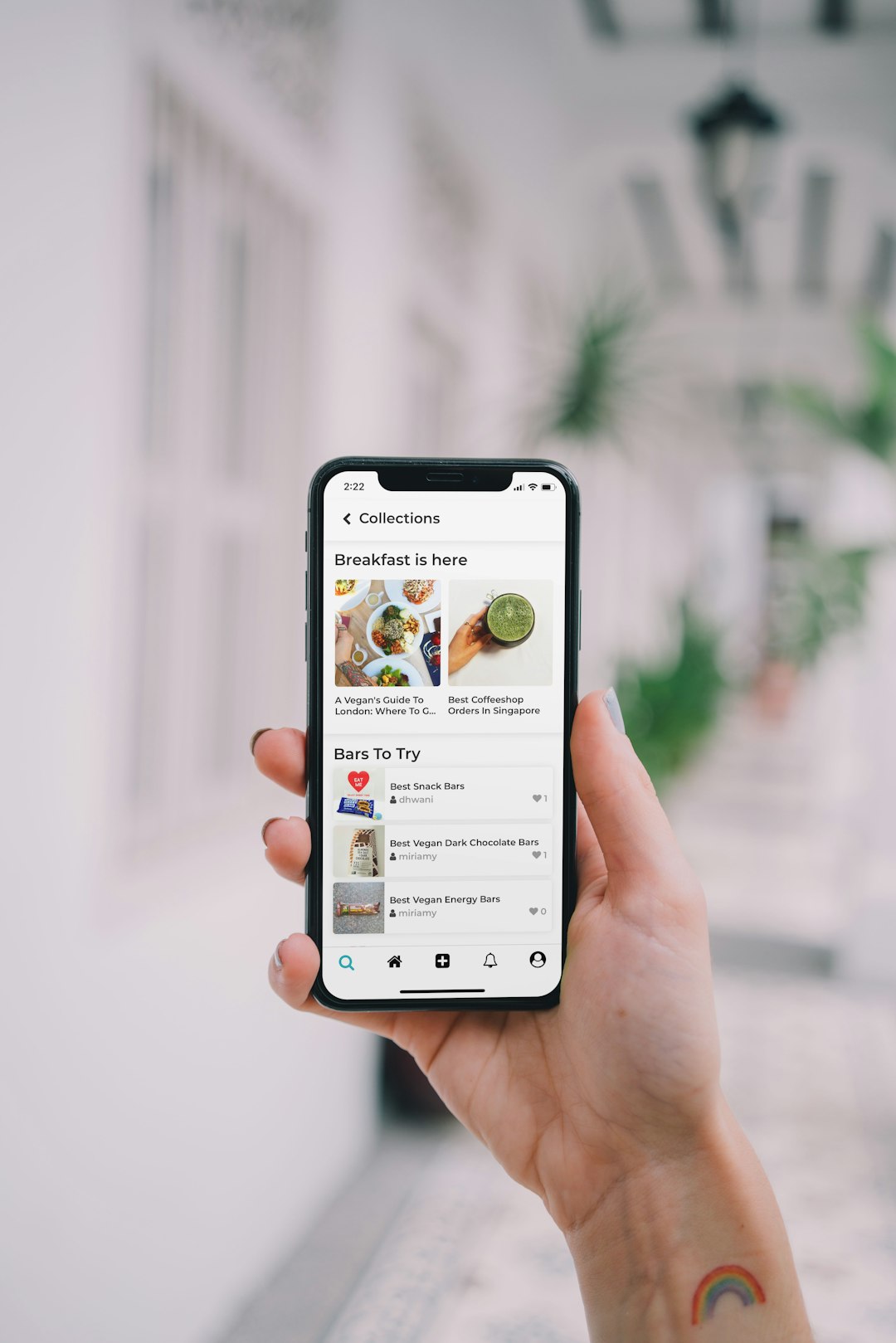
D.C. college students face increasing phone scams from scammers impersonating government agencies, tech support, or using urgent language. Protect against Unwanted Call Lawyer DC scams by verifying calls, scrutinizing sender identities, reporting suspicious activity, and never sharing personal data over the phone unless initiated by you. Utilize call-blocking apps, stay informed about trends, and access resources offered by Unwanted Call Lawyer DC for enhanced digital safety.
College students in the D.C. area face a unique challenge from an increasingly sophisticated wave of phone scams. With limited financial resources and a heightened emotional state, they are often targeted by fraudulent calls seeking personal information or demanding immediate payment. The problem has grown more insidious with the proliferation of unwanted call lawyer DC services, preying on the vulnerability of young adults. This article provides a comprehensive guide to arming D.C. college students with the knowledge and tools necessary to protect themselves from these insidious tactics, ensuring their safety and peace of mind.
Recognize Common Phone Scam Patterns in D.C.
Recognizing common phone scam patterns is a critical step in protecting D.C. college students from unwanted call Lawyer DCs. Scammers often target students due to their relative naivety and frequent use of technology. One prevalent tactic involves impersonating government agencies or educational institutions, claiming urgent issues require immediate action. For instance, a scammer might pose as a university financial aid office, demanding sensitive information under the guise of verifying eligibility. Students should be wary of such calls, especially when requesting personal or financial details over the phone.
Another common pattern involves impersonating tech support from well-known companies. Scammers may claim your computer or device has a critical security issue and demand immediate payment for resolution. Many students, unfamiliar with such tactics, might fall prey to these schemes. According to recent data from the Federal Trade Commission (FTC), tech support scams have seen a significant rise, with over 12,000 reported incidents in D.C. alone last year. To counter this, students should verify the legitimacy of any technical support calls by contacting the company directly using official contact information.
Additionally, phishing attempts through voice messages and automated calls are on the increase. These scams often involve threats of account suspension or legal action unless a link is clicked or a number is dialed. Students must be vigilant and scrutinize the sender's identity before engaging. Never click links or provide personal information in response to unsolicited phone calls. If you receive such a call, report it immediately to local law enforcement and consumer protection agencies. By staying informed about these patterns, students can better protect themselves from unwanted call Lawyer DCs and other scams.
Protect Your Privacy: Tips for College Students
Protecting your privacy as a college student is an essential aspect of navigating the digital age. With countless distractions and new experiences, it's easy to overlook potential threats to your personal information. Unwanted call lawyers DC have seen an increase in cases involving phone scams targeting students, often with sophisticated tactics that can be easily overlooked. One of the primary ways scammers gain access to sensitive data is through unsolicited calls, where they pose as official representatives or use high-pressure sales techniques to extract personal and financial details.
To safeguard your privacy, college students should adopt a series of robust practices. First, never share personal information over the phone unless you have initiated the call and are certain of the recipient's identity. This includes avoiding revealing details such as social security numbers, bank account numbers, or credit card PINs. Second, be cautious of unknown callers claiming to represent government agencies, financial institutions, or technology companies. Legitimate organizations rarely make unsolicited calls requesting private information. Lastly, consider using call-blocking apps and setting your phone's privacy settings to restrict unknown calls and hide your number from display.
Additionally, staying informed about common scams is paramount. Scammers often use urgent or fear-mongering tactics to pressure victims into making immediate decisions without careful consideration. For instance, a scammer might claim that you've won a prize but must verify your identity over the phone to claim it—a clear red flag. Regularly updating your software and security measures can also protect against malicious calls attempting to install malware or gain access through phishing attempts. By implementing these precautions, DC college students can significantly reduce their risk of becoming victims of phone scams and maintain a higher level of privacy and security.
Navigating Unwanted Call Lawyer DC Resources
College students in Washington D.C. are increasingly targeted by phone scams, which can result in significant financial losses and emotional distress. Navigating these threats requires a multi-faceted approach, and one crucial element is understanding how to deal with unwanted calls. An Unwanted Call Lawyer DC can provide invaluable assistance in this regard, offering both legal protections and practical strategies.
These lawyers specialize in consumer protection law, enabling them to guide students through the complex web of regulations designed to curb such fraudulent activities. They can help students recognize various scam tactics, from impersonating government agencies to posing as tech support. For instance, a common tactic is the "tech support" scam, where scammers pose as Microsoft or Apple employees, claiming your device has a critical issue and demanding immediate payment for "repair." An Unwanted Call Lawyer DC can educate students on how to identify such attempts and report them effectively.
In addition to legal counsel, these professionals often provide access to specialized resources. This may include hotlines for reporting scams, support groups for victims, and even credit monitoring services to protect against identity theft. By leveraging these tools, students can stay proactive in defending themselves against phone scams. For example, the Federal Trade Commission (FTC) operates a dedicated phone scam reporting hotline that helps gather data on emerging threats and provides insights into common tactics used by scammers. Utilizing such resources empowers D.C. college students to take control of their digital safety.
Best Practices to Avoid and Report Scams

D.C. college students face a unique challenge in today's digital landscape: unwanted phone calls and scams. With scammers targeting vulnerable individuals, it's crucial to equip students with practical best practices to avoid and report these fraudulent activities. One effective strategy is to educate students about recognizing common scamming tactics, such as phishing attempts disguised as official communications from financial institutions or government agencies. For instance, a recent study by the Federal Trade Commission (FTC) revealed that over 24 million Americans fell victim to phone scams in 2021, highlighting the pressing need for awareness and prevention.
To protect themselves, students should never share personal or sensitive information over the phone unless they initiate the call and are certain of the recipient's identity. This includes details like social security numbers, bank account information, or credit card PINs. If a student receives an unwanted call from an unknown number, especially those claiming to represent legal entities like an Unwanted Call Lawyer DC, they should exercise extreme caution. Legitimate attorneys will not pressure individuals for immediate responses or threaten dire consequences.
Reporting is another vital step in combating scams. Students can file complaints with the FTC and local law enforcement agencies, providing detailed information about the scammer's tactics and any evidence collected. Many states also have specific hotlines dedicated to handling phone scams. By actively participating in these reporting mechanisms, students not only protect themselves but contribute to a broader effort to identify and shut down scamming operations. Regularly reviewing call logs for suspicious activity and staying informed about emerging scam trends are additional proactive measures that can significantly enhance personal security.
About the Author
Dr. Emily Parker is a renowned cybersecurity expert with over a decade of experience in protecting individuals from online threats. She holds a Ph.D. in Computer Science and is certified in Cyber Forensics. Emily has authored numerous articles for leading tech publications, including Wired and The Hacker News. As a trusted advisor to several D.C.-based universities, she specializes in educating college students on identifying and avoiding phone scams, promoting digital safety, and fostering a culture of cybersecurity awareness.
Related Resources
1. Federal Trade Commission (FTC) (Government Portal): [Offers comprehensive consumer protection advice and warnings about common scams, including phone scams.] - https://www.consumer.ftc.gov/
2. Pew Research Center (Academic Study): [Presents in-depth research on technology use among young adults, including insights into smartphone security and scam awareness.] - https://www.pewresearch.org/internet/2021/04/07/how-americans-use-their-smartphones/
3. University of Maryland, College Park - IT Security (Internal Guide): [Provides specific tips and resources for UMD students to protect themselves from phone scams and other cyber threats.] - https://it.umd.edu/security/phone-scams
4. National Association of Consumer Agency Executives (NACAE) (Industry Leadership): [Offers insights, reports, and best practices from leaders in consumer protection, focusing on emerging scams.] - https://www.nacae.org/
5. Federal Communications Commission (FCC) - Consumer Help Center (Government Portal): [Provides a wealth of information for consumers facing various issues, including phone scams and wireless fraud.] - https://consumerhelp.fcc.gov/
6. University of Washington - Information Security Office (Academic Resource): [Offers educational materials on cybersecurity, including case studies and tips for avoiding phone-based scams.] - https://dept.uw.edu/iso/security-resources/phone-scams
7. StopFraud.gov (Government Awareness Campaign): [A joint effort by multiple U.S. agencies to educate citizens about various fraud schemes, including phone and text scams.] - https://www.stopfraud.gov/